

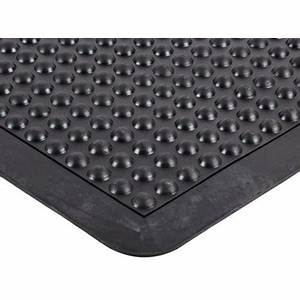
A boxing hour and an MMA hour ask different things of a floor, and many small UK gyms now run both in the same room. Choosing boxing gym mats is therefore less about picking a colour and more about deciding what the space must do on its busiest evening: fast footwork for striking, safer breakfalls and groundwork for grappling, or a documented compromise that coaches can live with.
This guide is for club owners and fit-out buyers. It does not replace governing-body advice for competition or grading, and it does not claim that any particular thickness makes a throw safe.
Be clear which sessions will dominate
Striking classes need a floor that feels stable when someone pivots, steps and checks a kick. Too much bounce makes footwork vague; too little give is tiring and noisy for neighbours. Coaches also want enough grip that a pivot does not slide, without a sandpaper surface that burns skin during a sit-out or a check.
Grappling and MMA groundwork need more cushioning for repeated takedowns and longer contact with the floor. A surface that is comfortable to sprawl on can feel sluggish for boxing if it is the only floor in the building.
If the timetable is mixed, you have three honest options:
- A single compromise floor that is medium-firm, with coaching adapted at the edges
- A striking zone and a grappling zone in the same room
- A portable grappling layer that comes out for specific classes
The worst option is advertising both timetables on a floor that was bought for neither.
Where the room also hosts general conditioning, a surrounding field of rubber gym mats can protect the building under bags and sleds while the martial arts area remains a dedicated insert.
Coverage, walls and the "soft edge" problem
Measure the usable fighting and drilling space, not just the room. Take off pillars, radiator zones and the strip in front of the door. Then add a border. A drill that starts in the middle of a mat often ends with someone stepping off the edge.
Walls matter in boxing gyms. People step back, bags swing and beginners misjudge distance. Padding the walls is a separate decision from flooring, but the floor should meet the wall without a trough that catches a foot. Avoid a polished concrete halo around an island of mats; that halo is where someone will land when they run out of floor.
If you compare other boxing gym mats, look at how edges are finished and whether extra border pieces exist. An obvious, ramped edge is safer than a hidden thick lip on the route to the changing room.
Bags and platforms should stand on a surface intended for that load. Do not assume a grappling mat is the right thing under a heavy bag frame.
Firmness and hygiene
Firmness should be tried if you can, ideally by coaches wearing the shoes or going barefoot as they would in class. Descriptions such as "soft" and "hard" vary between suppliers. A short on-site trial of sample tiles beats a long email chain.
Hygiene is not optional in a grappling room. Sweat, skin and the occasional bloody nose are part of the sport. Choose a surface you can clean with a method compatible with both the mat and your infection-control routine. Click-together foam that cannot be properly dried becomes a problem. Closed, wipeable surfaces are easier to manage if they still meet the session's comfort needs.
Leave mats to dry after cleaning before you stack them or close them into a cold container. Recheck joints; grit in a seam is abrasive and unpleasant on bare skin.
General gym mats used in the strength area should stay visually and physically separate if they are too dirty or too coarse for groundwork.
Bags, sparring and neighbours
A boxing programme without bags still needs thought about the floor around the bag line: people step in and out, and dropped bag gloves gather there. Keep the bag line on a stable surface and out of the main sparring rectangle if space allows.
Sparring increases the chance of an off-balance landing near the edge. That is another reason to oversize the floor slightly rather than cut it to the exact ring you imagine on opening night.
If you are above a neighbour or beside a yoga studio, rubber and good coaching reduce complaint risk; they do not eliminate it. Explain this to members before you promise dawn pad sessions.
When you look at other boxing gym mats or surrounding rubber gym mats, ask about intended use in writing so your insurance broker and your head coach are describing the same floor.
A simple specification checklist
- Dominant timetable: striking, grappling or mixed
- Footwear or barefoot
- Required area plus border
- Wall and door details
- Cleaning products you already use
- Storage if any layer is portable
- How the floor meets bag frames and strength kit
- Who inspects joints and edges each week
Write those answers down before you request a quote. It saves buying a living-room puzzle mat for a takedown class, or a rock-hard roll for a kids' grappling session.
Common mistakes
- Running MMA on a floor bought only for boxing footwork
- Leaving a hard concrete border "so people can take shoes off"
- Cleaning with whatever is under the sink
- Ignoring governing-body or insurer questions until after an incident
- Undersizing the floor to save two tiles
Choose boxing gym mats and MMA flooring by the sessions you actually run, give the floor a border, and keep it clean enough for skin contact. Where the timetable is mixed, be honest about a compromise or split the room, rather than hoping one product will coach the classes for you.