

The first heavy shower of autumn tends to arrive at the worst moment: the school run, the lunchtime rush or the start of the working day. Within minutes, wet footprints track across the lobby floor and someone is fetching a mop and a yellow sign. Commercial entrance mats will not stop the weather, but well-chosen and well-sized mats trap water and dirt before they spread inside.
For facilities teams, shopkeepers and school business managers, the wetter months are the time to get the entrance right. Here is what to consider.
Why entrances become a slip hazard from autumn
From autumn onwards, British weather brings more rain, shorter days and plenty of fallen leaves. Every person who walks through the door carries in water and grit on their shoes. Hard floors such as vinyl, tile and polished concrete become slippery when wet, and the area just inside the door takes the worst of it.
Busy entrances can become hazardous very quickly. Schools see waves of pupils arriving at once, shops get constant foot traffic and offices often have a morning rush. A good matting system helps remove moisture and dirt in stages, reducing how much reaches the main floor.
There is a housekeeping benefit too. Grit carried in on shoes acts like sandpaper on hard floors and carpets, dulling finishes and shortening their life. Catching it at the door means less time spent mopping and polishing, and fewer complaints about muddy floors from staff, parents or customers.
Coir, rubber or combined: choosing commercial entrance mats
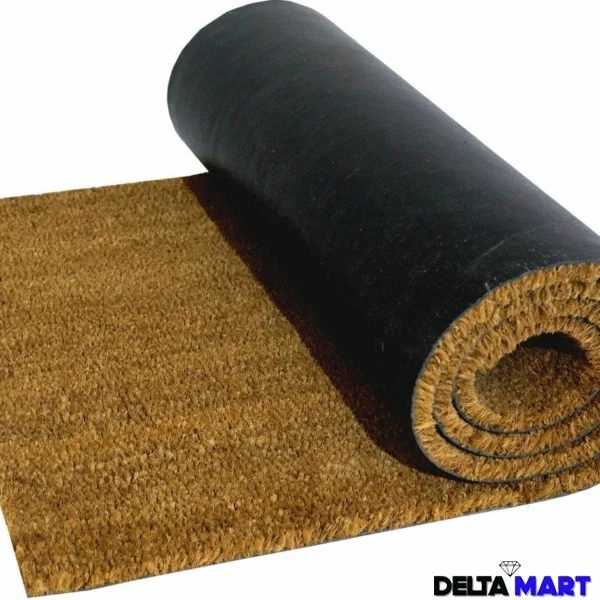
Coir mats are made from coconut fibre. They are excellent at scraping dirt and grit from shoes, and the coarse texture traps debris within the mat. They suit outdoor or covered porch positions as the first stage of an entrance system. Our commercial entrance mats range includes coir options.
Rubber mats offer durability and grip. They are good outside the door, in wet areas and on ramps. Many rubber mats have drainage holes or a pattern that lets water run away. Wins Rubber Mats stocks rubber entrance mats that suit these exposed positions.
A combined approach often works best: a coarse scraper mat outside to remove grit, then a more absorbent mat inside the door to dry shoes, followed by a short run of matting along the first stretch of corridor.
Sizing: how much matting a busy entrance needs
One of the most common mistakes is choosing a mat that is too small. A single doormat is rarely enough for a commercial entrance. Most people need several steps on matting before their shoes are reasonably clean and dry.
When planning, consider:
- The width of the door and the route people actually walk
- How many people use the entrance at peak times
- Whether the entrance is covered or exposed to rain
- The number of steps a typical visitor takes from door to hard floor
Matting should cover the full width of the walking route and extend far enough inside for people to take several steps on it. For larger entrances, combining mats into a continuous run gives better results than one small mat.
Recessed mat wells vs surface mats
Many commercial buildings have a recessed mat well, a shallow pit set into the floor so the mat sits flush. This eliminates raised edges and is ideal for busy, permanent entrances. If you have one, measure it carefully and choose a mat that fits snugly, leaving no gaps at the edges.
Surface mats sit on top of the floor and are more flexible. They can be moved, lifted and replaced easily. Choose mats with bevelled edges to reduce the risk of trips and check that they lie flat and do not move under foot traffic. An anti slip mat from our range is a practical surface option for many entrances, and Wins Rubber Mats’ commercial rubber floor mat may suit heavier-use sites.
Corridors and walkways beyond the door
Water and dirt do not stop at the entrance mat. In schools and busy offices, it can be worth extending matting along the first stretch of corridor or into the reception area.
Long runs of ribbed rubber flooring rolls can provide a durable, easy-clean walkway in back-of-house areas, service corridors and changing rooms. Wins Rubber Mats also offers rubber walkway mats that may suit similar spaces. Keep walkways flat and well secured, with edges that do not lift.
Cleaning and replacement schedule
Entrance mats only work if they are kept clean. A saturated or dirt-clogged mat can make things worse rather than better. A simple routine:
- Vacuum or shake out mats daily in busy periods
- Lift mats regularly to clean and dry the floor underneath
- Clean mat wells thoroughly, as debris builds up beneath the mat
- Rotate mats if one area wears faster than others
- Replace mats when they no longer trap dirt, stay wet or have curled edges
In very wet weather, consider having spare mats ready to swap in while saturated ones dry. Make one named person responsible for checking the entrance during wet spells, because a quick look at peak times catches problems before anyone slips.
Ready for the wet season
Commercial entrance mats are one of the most effective, lowest-effort ways to keep floors drier and safer through a UK autumn and winter. Combine coir and rubber where you can, size the matting generously, choose recessed or surface mats to suit the building and keep up a regular cleaning routine.
Take a look at the entrance and commercial matting range at Delta Rubber Imports before the wet weather sets in. We import practical, hard-wearing mats at competitive prices, delivered quickly across the UK, so your entrances can be ready before the next downpour.