

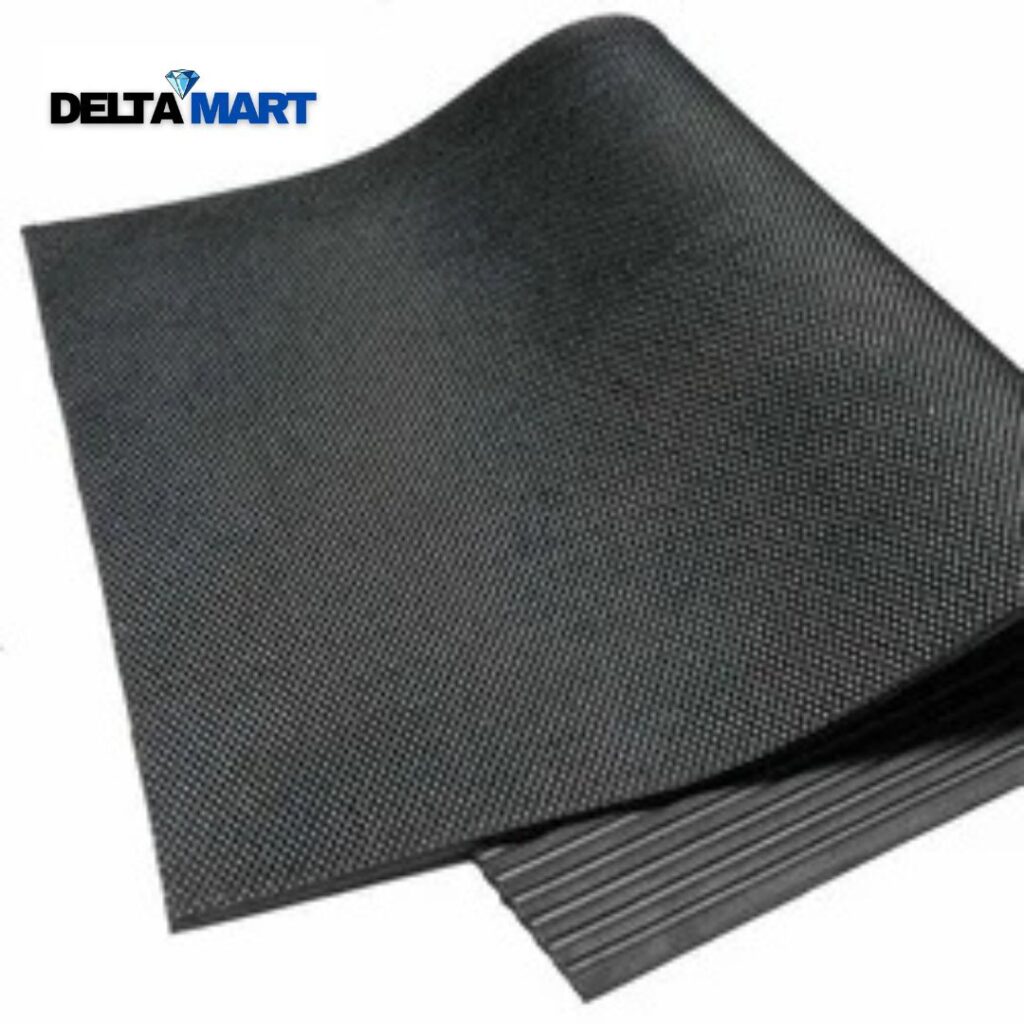
Lambing and calving are the busiest, most sleep-deprived weeks on many farms, and the floor is not usually top of mind when a ewe is struggling at two in the morning. Yet the surface young stock are born onto, stand on and lie on in their first days has a real bearing on how well they get going. Rubber livestock flooring is a practical tool for creating warmer, grippier, more manageable pens.
Below, we look at the pens and handling areas where it helps most, how rolls and individual mats compare for temporary setups and how to keep everything clean between batches when the shed is at its busiest.
Why young stock need a different floor approach
Newborn lambs and calves are wobbly on their feet, lose heat quickly and are vulnerable to infection. Bare concrete is cold, hard and slippery when wet. Deep bedding helps, but on its own it can be hard to keep dry and clean in a busy shed.
A rubber base under bedding adds a layer of insulation from the cold floor, gives young animals better grip as they find their feet and makes it easier to muck out and clean between occupants. It also offers some cushioning for ewes and cows that spend time lying down around birth.
Lambing pens: warmth, grip and cleaning
Individual lambing pens see a fast turnover in spring. A ewe and her lambs may only be in a pen for a short while before moving on, and the next ewe follows close behind.
Rubber matting under a layer of straw or other bedding helps insulate lambs from the cold concrete and gives them better footing as they try to stand and suck. When the pen is cleared, mats can be scraped, washed and disinfected quickly, ready for the next ewe. Our livestock flooring range includes options suitable for this kind of use.
Make sure the matting lies flat with no curled edges where a lamb could get trapped, and keep the bedding topped up to absorb moisture.
Calf pens and hutches
Calves spend their first weeks in pens or hutches where they lie down for much of the day. A dry, comfortable bed is essential for their health and growth.
Rubber mats under bedding help keep calves off cold concrete and provide grip when they stand to feed. They also make mucking out easier, as dirty bedding can be scraped off the mat rather than dug out of the floor. For outdoor hutches, rubber placed in front of the hutch entrance can reduce mud. Our rubber mats for outside are designed for that kind of exposed area.
Ensure there is drainage beneath and around pens, because standing moisture under bedding is a common cause of problems.
Sheep handling races and footbaths
Handling races, pens and footbaths see intense, short bursts of traffic, often with nervous sheep moving quickly. A slip in a race can cause injury and slow the whole job down.
Rubber matting on the floor of a race gives sheep confident footing and reduces noise, which can help keep them calmer. Around footbaths, matting at the entry and exit gives grip on wet surfaces. Choose mats designed to cope with the chemicals used in footbaths and check the manufacturer’s guidance. Wins Rubber Mats has a range of livestock rubber mats worth comparing for these areas.
Livestock flooring for temporary pens: rolls vs individual mats
Many lambing setups are temporary, with hurdles put up for the season and taken down afterwards. The flooring you choose needs to suit that flexibility.
A rubber mat on roll can be unrolled along a row of pens and cut to length, giving a continuous surface with fewer joins. That is helpful for long runs and makes it easy to cover a large area quickly. Wins Rubber Mats also stocks a heavy duty rubber matting roll if you are comparing widths and thicknesses.
Individual mats are easier to lift, move and clean, and a damaged mat can be replaced on its own. They suit pens that change size or position and areas where you want to take mats outside to wash.
For drainage-critical areas, Wins Rubber Mats offers rubber matting with holes, which can help liquids pass through rather than pool on the surface.
Cleaning and disinfecting between batches
Good hygiene between occupants is one of the most important jobs in a lambing or calving shed. A simple routine:
- Remove all bedding and muck from the pen
- Scrape mats clean, paying attention to joins and edges
- Wash with water and a suitable detergent, using a pressure washer if appropriate
- Apply a disinfectant approved for livestock use, following the label
- Allow mats to dry fully before rebedding
Lift mats regularly to clean the floor underneath. Moisture and muck trapped under mats can harbour bacteria and undo the good work you do on top. At the end of the season, give all mats a thorough clean and store them flat, out of direct sunlight, ready for next year.
Preparing for the season
Rubber livestock flooring gives lambs and calves a warmer, grippier start and makes pens quicker to clean between batches. Use rolls for long, continuous runs and individual mats for flexible pens, keep bedding topped up and stay on top of hygiene.
Ahead of lambing and calving, explore the full range at Delta Rubber Imports. We bring in practical, affordable rubber built to last, with fast UK delivery, so your sheds can be ready before the first arrivals.